
Description
Data and Figures
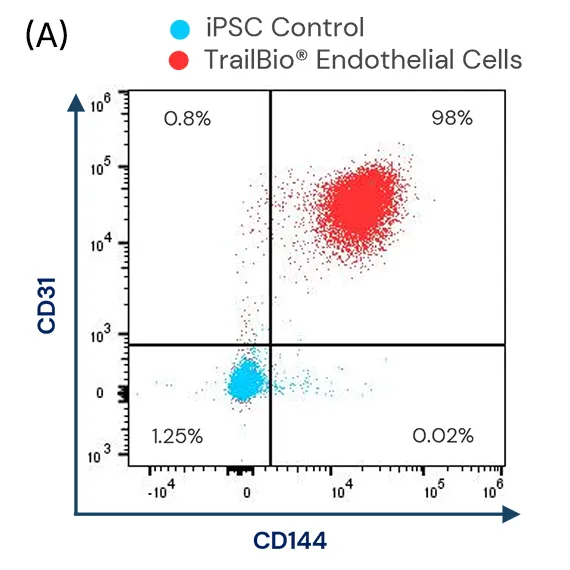
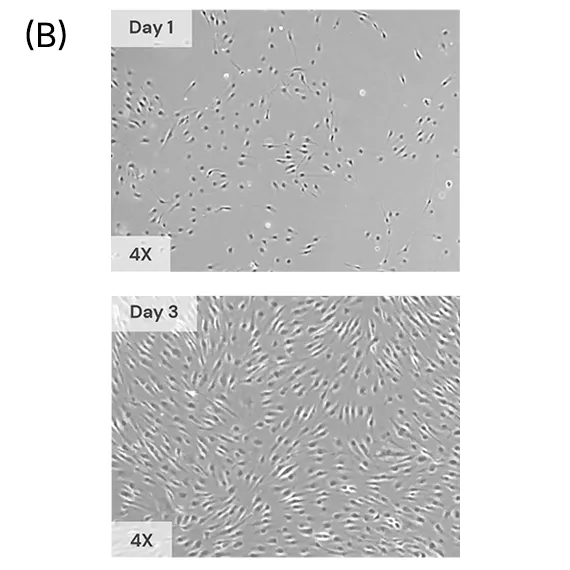
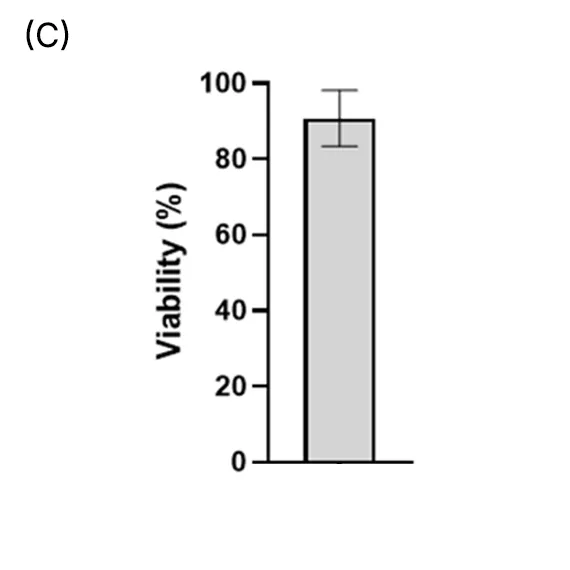
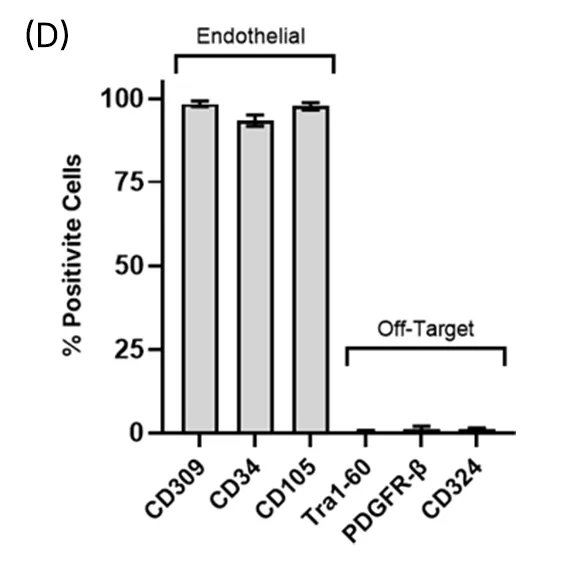
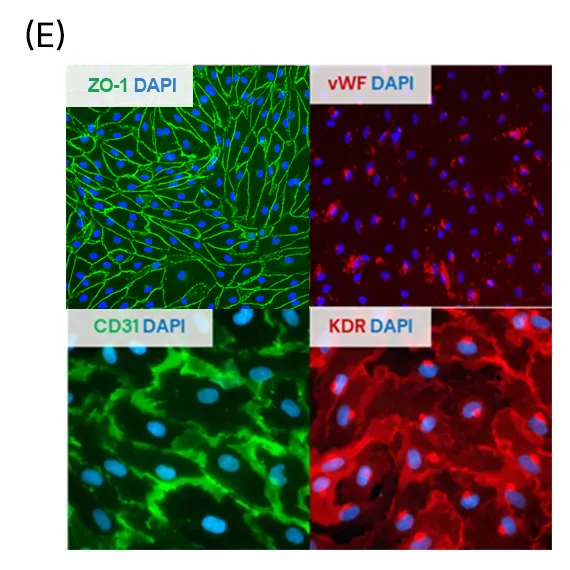
Highly Pure Endothelial Cells Ready for Immediate Use Post-Thaw
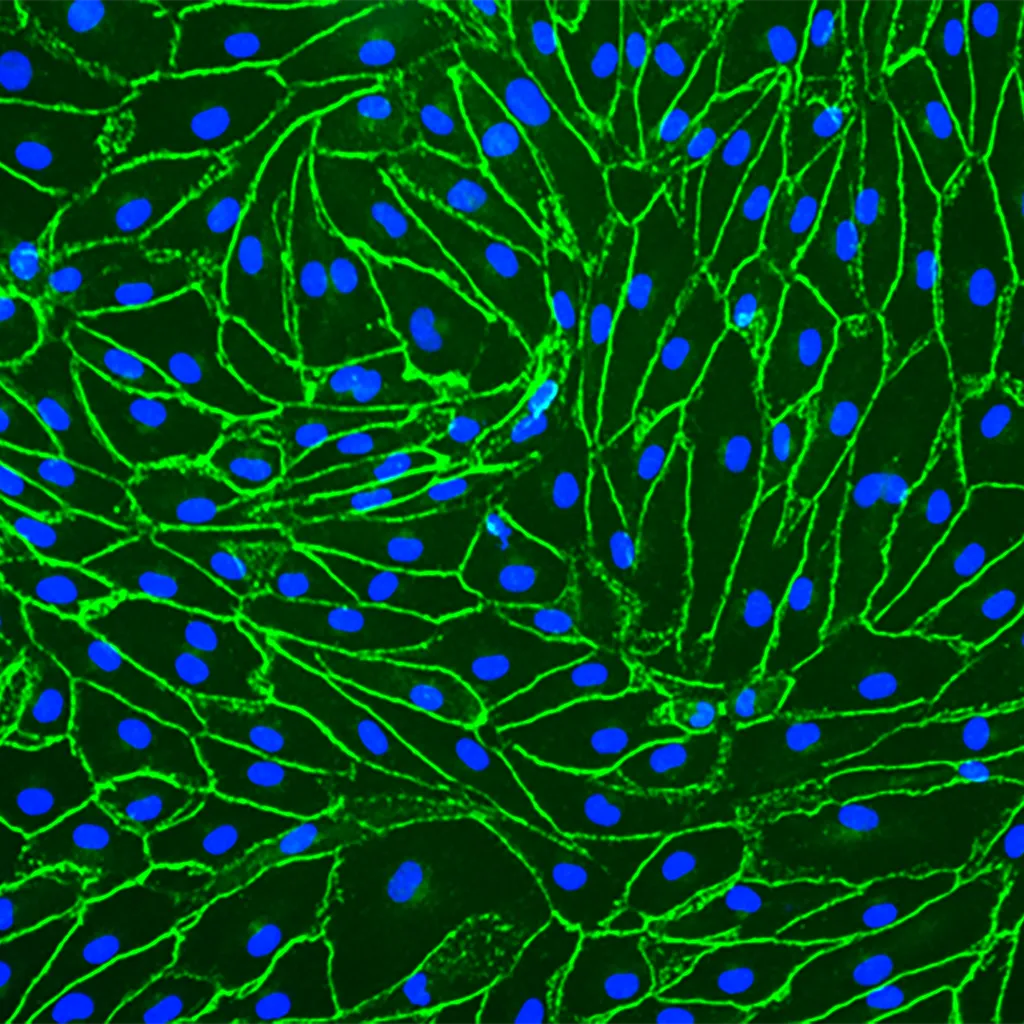
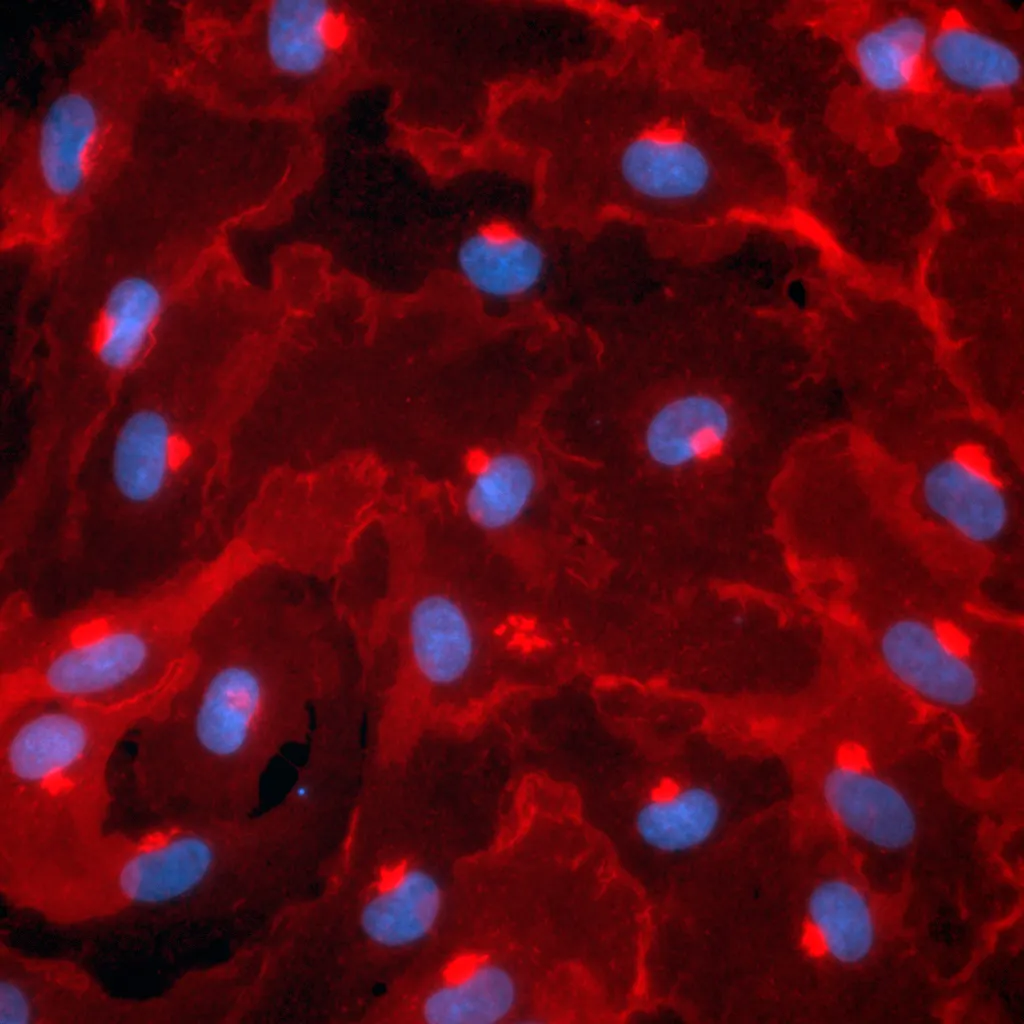
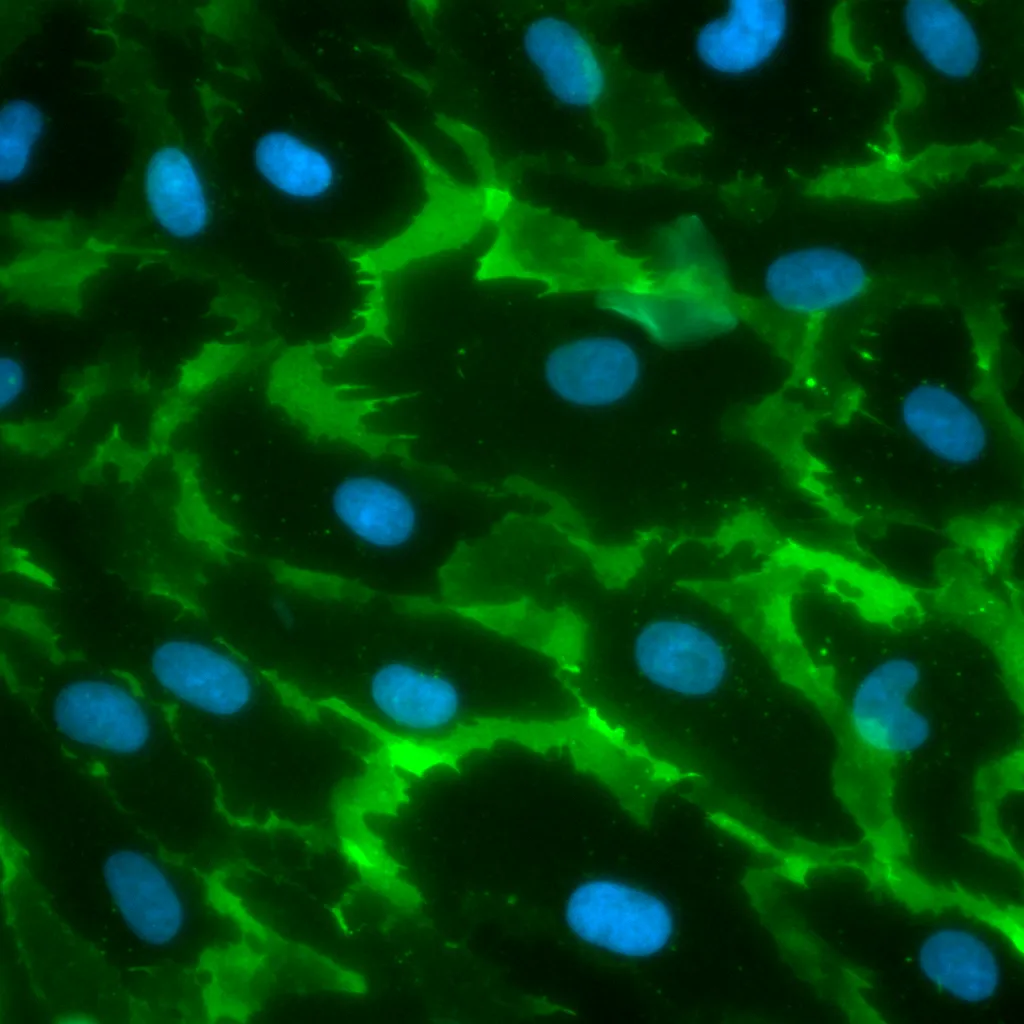
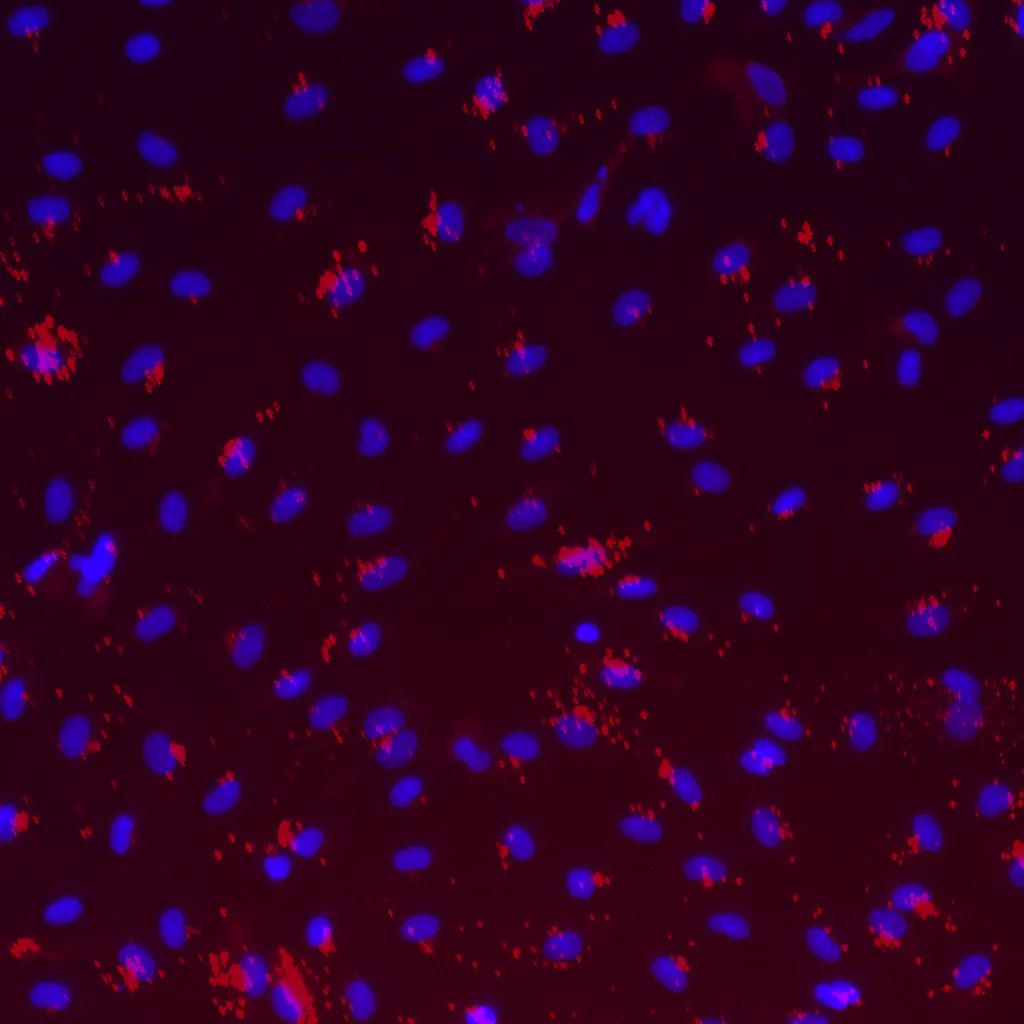
(A) Flow cytometry shows >98% of TrailBio® Endothelial Cells co-express CD31 and CD144, confirming a highly pure endothelial population. (B) Cells rapidly recover endothelial morphology within 24 hours post plating and reach confluence by day 3. (C) Cells demonstrate ≥90% viability post-thaw (n=3). (D) Endothelial markers (CD309, CD34, CD105) are highly expressed, while off-target markers (TRA-1-60, PDGFRβ and CD324) remain minimal. (E) Immunofluorescent staining confirms expression of endothelial and maturation-associated markers, including ZO-1, vWF, CD31, and KDR.
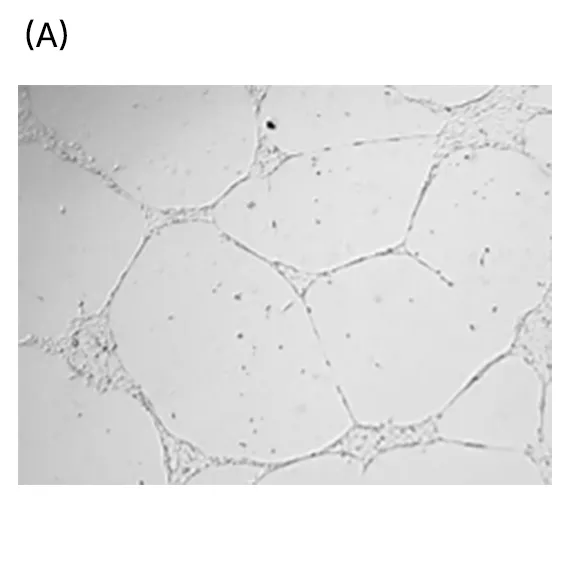
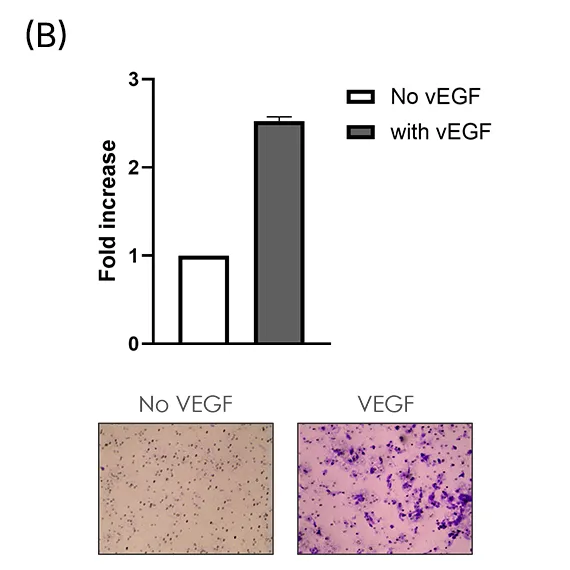
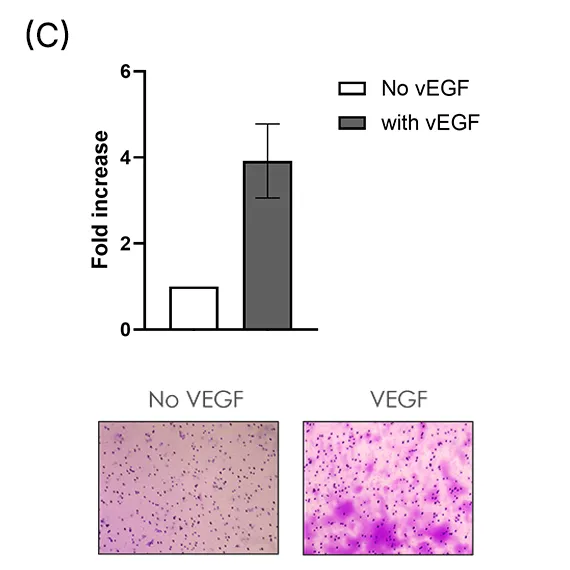
Robust Endothelial Function Including Tube Formation, Migration and Invasion
(A) TrailBio® Endothelial Cells form interconnected tubule networks within 24 hours on Matrigel, recapitulating key aspects of vascular network formation. (B) In transwell migration assays, cells demonstrate a ~2.5-fold increase in migration in response to VEGF compared to control conditions, visualized by crystal violet staining of migrated cells (n=2). (C) In Matrigel-coated invasion assays, cells show ~4-fold increased invasion in response to VEGF, with invading cells detected by crystal violet staining, indicating intact proteolytic and invasive capacity.
Physiologically Relevant Inflammatory Activation and Endothelial Uptake Function
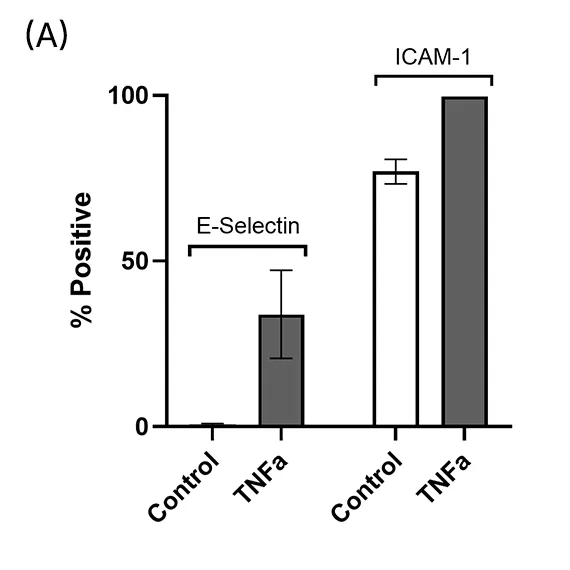
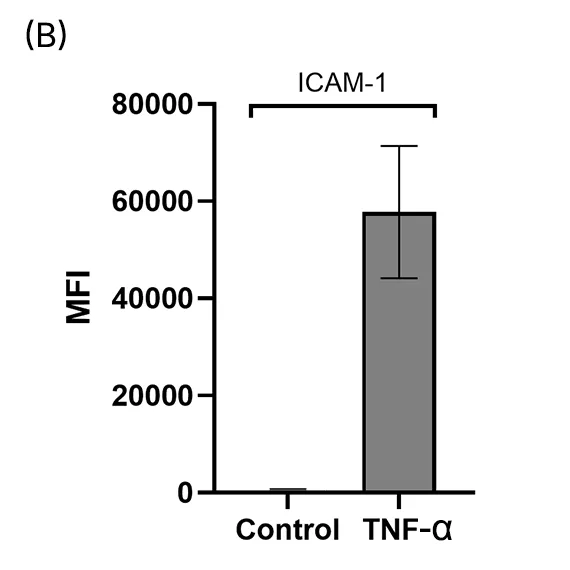
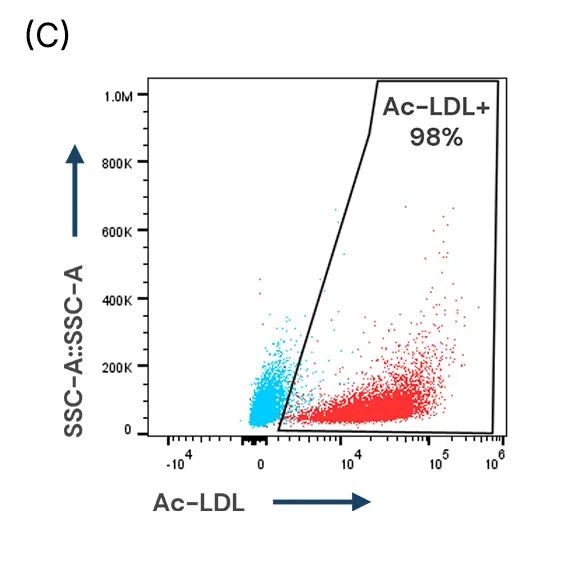
(A) Following TNF-α stimulation (20 ng/mL, 16 hours), TrailBio® Endothelial Cells show increased expression of E-selectin and ICAM-1 compared to control, indicating activation of endothelial adhesion pathways. (B) ICAM-1 expression intensity (MFI), as measured by flow cytometry, also increases following TNF-α stimulation, indicating increased ICAM-1 expression per cell. (C) Flow cytometry shows ≥98% of cells uptake Ac-LDL, confirming intact scavenger receptor activity.
Endothelial Identity and Function are Preserved After Expansion
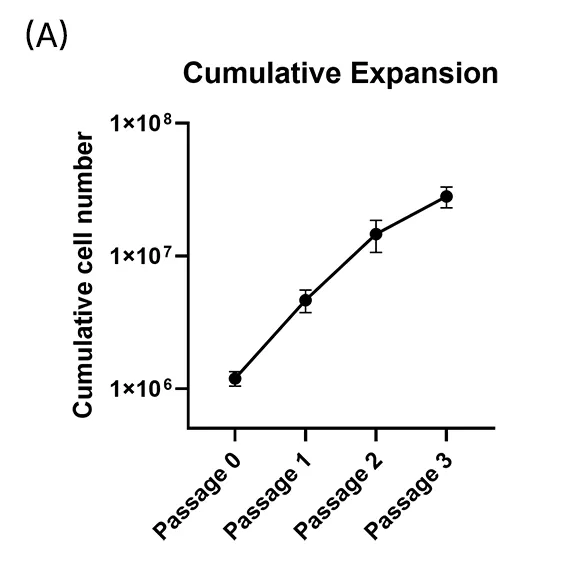
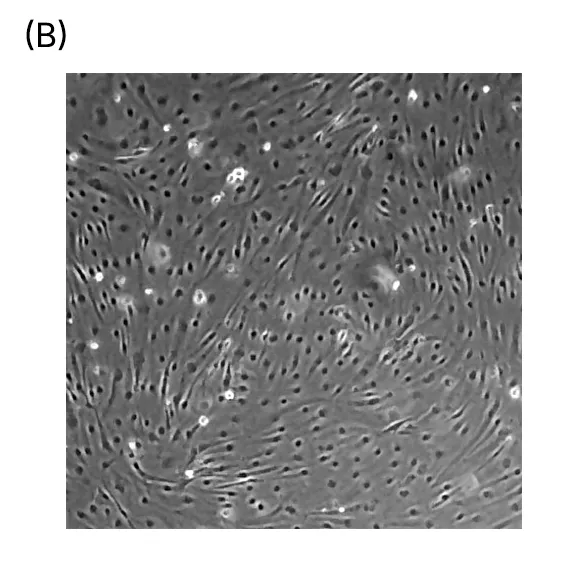
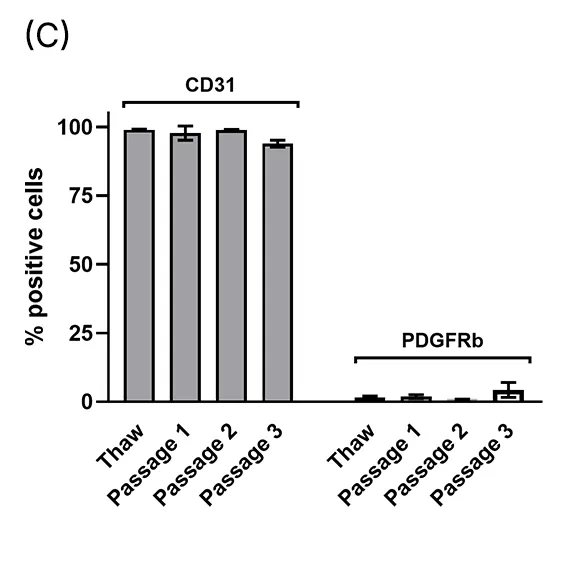
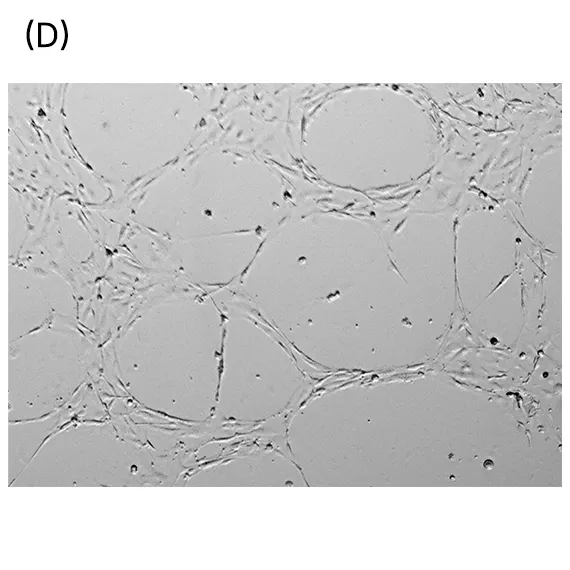
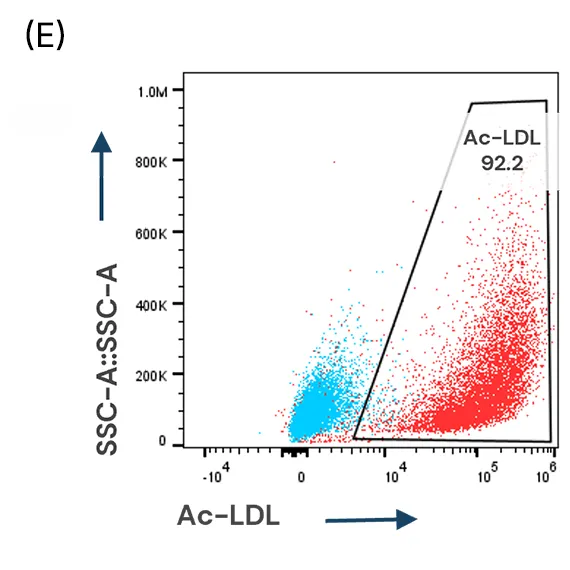
(A) TrailBio® Endothelial Cells demonstrate consistent expansion across passages. Cells are passaged every 3-4 days to ensure cultures do not become overconfluent. (B) Cells retain characteristic endothelial cobblestone morphology following expansion. (C) Flow cytometry from thaw through Passage 3 shows that CD31 expression remains high (≥90%) while PDGFRβ expression remains low (<5%) (n=3), indicating stable endothelial identity during expansion. (D) Expanded cells retain the ability to form interconnected tubule networks. (E) Expanded cells maintain Ac-LDL uptake, confirming preserved endothelial function.
Technical Info and Resources
Frequently Asked Questions
What are endothelial cells?
Endothelial cells line the interior of blood vessels and regulate key vascular functions. These functions include permeability, angiogenesis and immune cell trafficking. They maintain vascular homeostasis and have a role in tissue repair. Dysfunction of endothelial cells is linked to diseases such as cardiovascular diseases, cancer and inflammation. TrailBio® Endothelial Cells provide a consistent, physiologically relevant model to study vascular biology, drug responses and disease mechanisms.
How are iPSC-derived endothelial cells generated?
Our TrailBio® Endothelial Cells are differentiated from human iPSCs using our proprietary directed differentiation protocol which closely mimics natural developmental cues to generate cells of high purity and functional attributes.
What applications are TrailBio® Endothelial Cells suitable for?
TrailBio® Endothelial Cells can be used across a wide range of applications, including modeling vascular dysfunction in diseases suchas cardiovascular diseases, inflammation, and cancer. They are ideal for studying angiogenesis, endothelial barrier function, immune cell interactions and evaluating vascular toxicity and drug responses. TrailBio® Endothelial Cells can also be used in co-culture systems, organ-on-a-chip models and other in vitro tissue engineering platforms. Their role in regulating vascular integrity and responsiveness makes them valuable for researching endothelial biology and therapeutic modulation in both in vitro and in vivo settings.
What markers do TrailBio® Endothelial Cells express?
TrailBio® Endothelial Cells express CD31 (PECAM1), VE-Cadherin (CD144), CD34, along with transcription factors ERG and ETS1 and functional markers including von Willebrand factor (vWF) and VEGFR2 (KDR). They do not express markers associated with non-endothelial lineages under standard culture conditions.

