
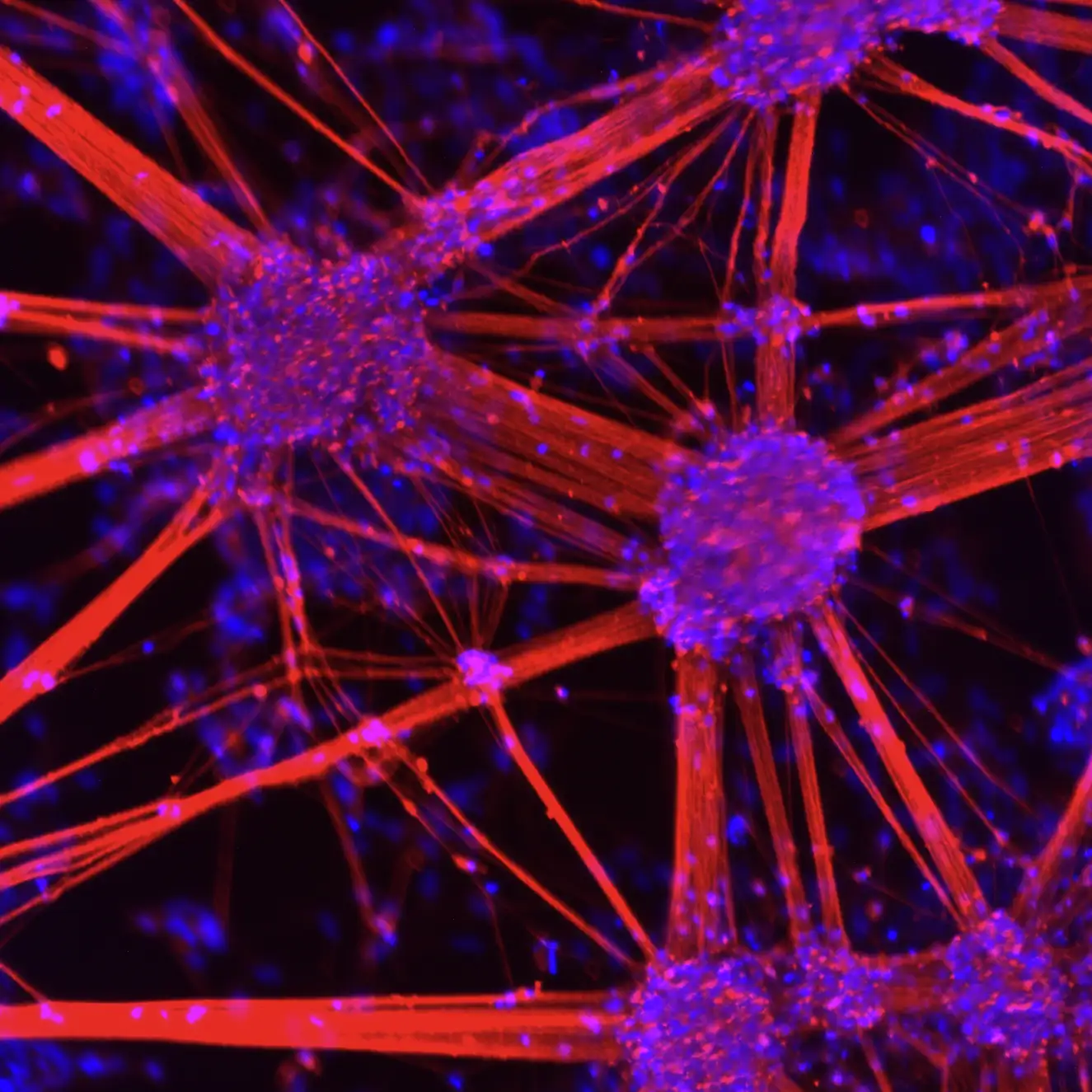
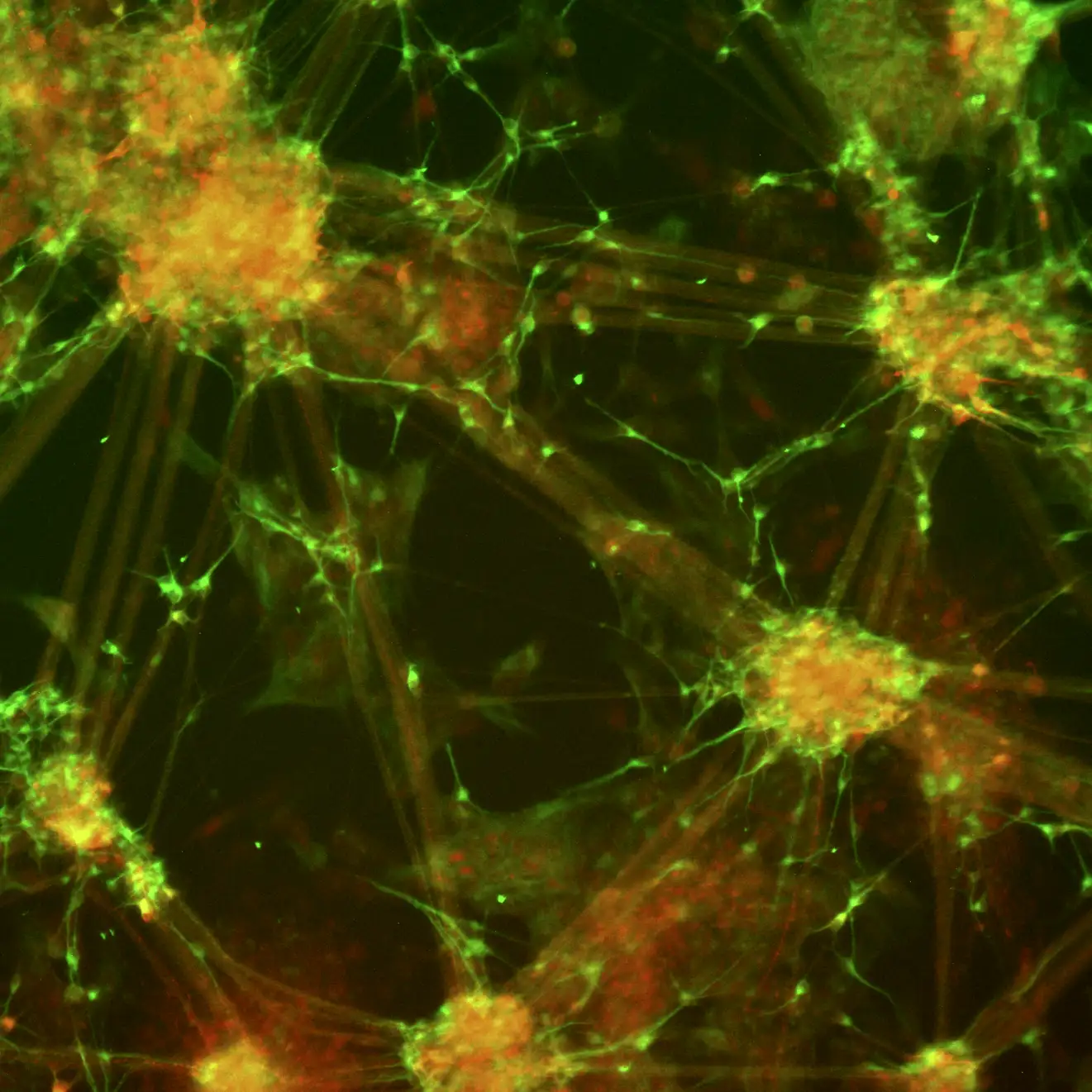
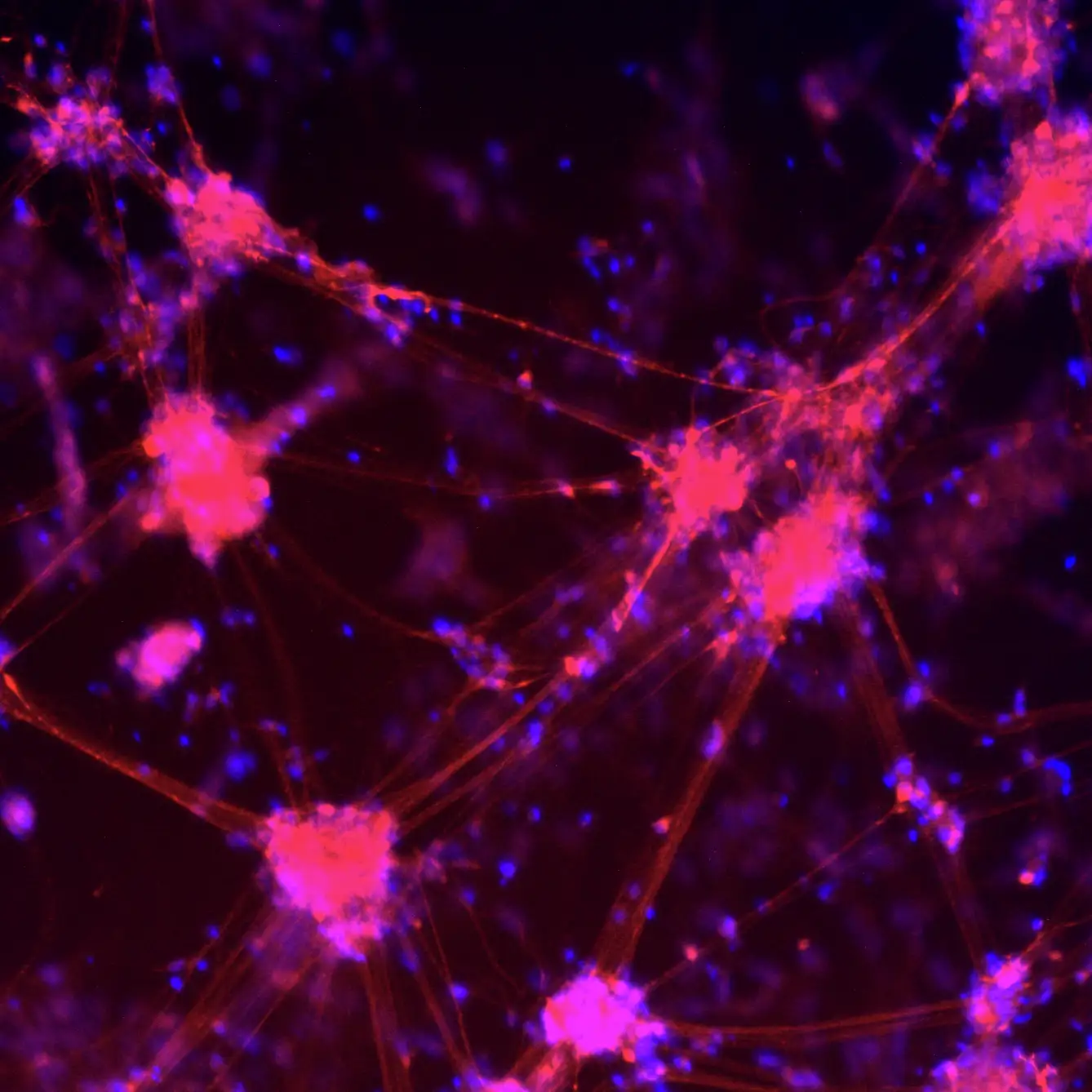
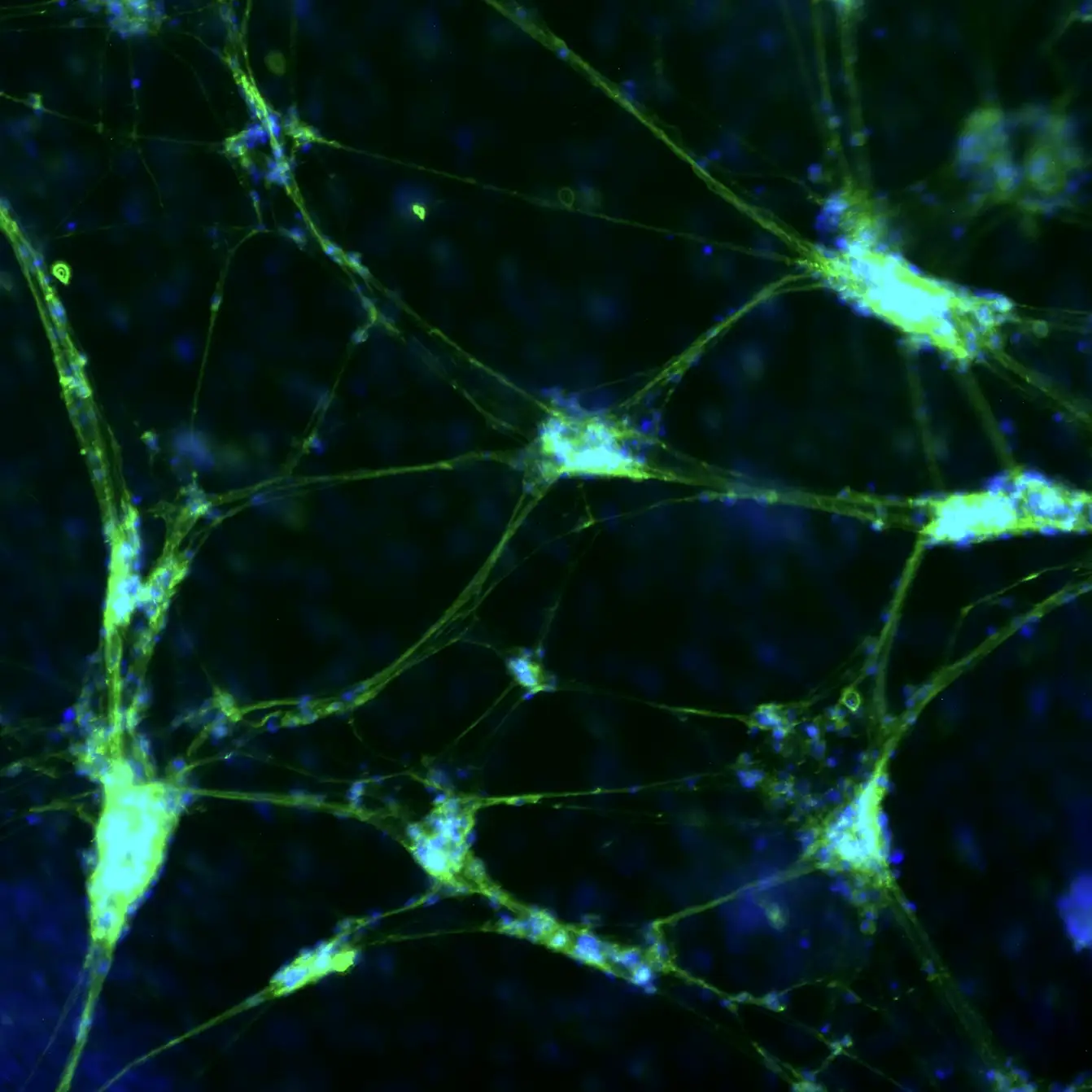
Description
Data and Figures
Coming Soon
Technical Info and Resources
Frequently Asked Questions
What are A9 dopaminergic neurons?
A9 dopaminergic neurons are a distinct subtype of midbrain neurons located in the substantia nigra pars compacta (SNc), where they play a key role in motor control. They are characterized by expression of the transcription factor SOX6, which distinguishes them from other dopaminergic subtypes such as A10 neurons, which are primarily involved in reward and motivation pathways. A9 neurons are particularly vulnerable in Parkinson’s disease, making access to high-quality iPSC-derived A9 dopaminergic neurons valuable for disease modeling and evaluating cell-based therapeutic strategies both in vitro and in vivo.
What applications are TrailBio® A9 Dopaminergic Neurons suitable for?
TrailBio® A9 Dopaminergic Neurons can be used in a range of applications, including modeling neurodegenerative disorders such as Parkinson’s disease, investigating dopamine dysregulation, conducting neurotoxicity assays, advancing organ-on-a-chip systems and supporting drug discovery efforts. Their selective vulnerability in Parkinson’s disease makes them especially valuable for disease modeling and therapeutic development.
What markers do these A9 cells express?
The TrailBio® A9 Dopaminergic Neurons express Tyrosine Hydroxylase, SLC6A3 (DAT), KCNJ6, NR4A2 (NURR1) and transcription factor SOX6 along with pan neuronal mature markers such as MAP2 and SYN1. They do not express CALB1, a typical A10 marker.
What value do iPSC-derived A9 dopaminergic neurons offer?
A9 dopaminergic neurons play a critical role in movement regulation and are disproportionately affected in Parkinson’s disease. TrailBio® A9 Dopaminergic Neurons enable scientists to have a human-specific platform to investigate disease mechanisms, develop therapies and accelerate drug discovery.
